Laboratories and researchers commonly use bacteriostatic water for laboratory research in scientific environments where they follow proper handling and consistent laboratory practices. It contains sterile water with a small amount of benzyl alcohol. This helps inhibit bacterial growth after multiple withdrawals from the same vial. Understanding its characteristics, storage recommendations, and intended use helps laboratories maintain organized research workflows and proper product handling.
Bacteriostatic water is a sterile, non-pyrogenic solution that laboratories commonly use during research procedures requiring repeated access to the same vial. The inclusion of benzyl alcohol allows the solution to support multiple withdrawals. While maintaining the product’s intended quality when laboratories follow proper handling practices.
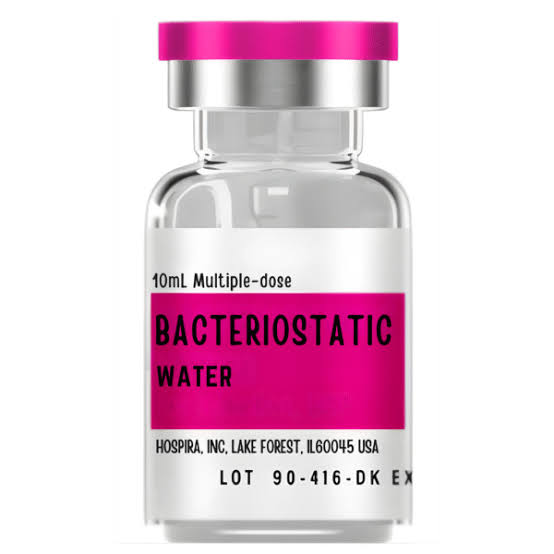
Researchers should always review the product label before use to confirm important information such as the vial size, expiration date, lot number, storage recommendations, and intended laboratory use.
Proper storage helps preserve the quality and integrity of bacteriostatic water throughout its shelf life. Laboratories should lab the product according to the instructions provided on the label and keep it in a clean, temperature-controlled environment. Protecting the vial from excessive heat, freezing conditions, and direct sunlight supports consistent storage practices.
Before each use, researchers should inspect the vial for visible damage, discoloration, or signs of contamination. They should also verify that the expiration date has not passed and ensure the vial remains properly sealed when not in use.
Keeping bacteriostatic water readily available as part of an organized laboratory inventory can help improve workflow efficiency. Maintaining accurate inventory records, rotating stock according to expiration dates, and storing products in designated locations all contribute to effective laboratory management.
Using clearly labeled products and following established laboratory procedures also supports consistency across research projects and helps reduce handling errors.
Understanding bacteriostatic water for laboratory research helps researchers maintain proper storage, organized inventory management, and consistent laboratory handling practices. By reviewing product labels, following storage recommendations, and inspecting products before use, laboratories can support reliable research environments. While preserving product quality for its intended laboratory applications.
Note: Bacteriostatic water is intended for laboratory and research use only. It is not intended for human or veterinary use.
Sign up and We'll Generate a Personal VIP Coupon Code That's Yours For Life — No Expiry, No Limits - Use it on Every Order.